HS Survival Toolkit & Resources
Practical Help for Living Everyday Life with HS
If you are looking for the standard, copy-and-pasted advice usually handed out by official healthcare websites (like being told to simply “wear loose clothing” or “lose weight”), you are in the wrong place.
We aren’t doctors, but we are people actually living life with Hidradenitis Suppurativa. We know that managing this condition takes a lot more than a basic clinical leaflet. You need real, practical, tried-and-tested tools to manage the physical pain, the mental toll, and the daily reality of flare-ups.
We have trawled the internet, consulted the community, and drawn on decades of personal experience to build this comprehensive toolkit. From premium dressings and budget-friendly alternatives to holistic supplements, mental health strategies, and genuine community support networks, this is what actually helps in the real world.
Community & Support Networks
When you are dealing with a condition like HS, the best resource you can possibly have is other people who actually get it. While medical professionals can offer treatments, it is the patient community that offers the day-to-day survival tactics. Here are the most active and supportive networks in the UK and Ireland.
The HS Support Network UK & Ireland
Led by Angela Gibbons, this is one of the most vital grassroots communities for HS patients right now. Angela is one of the OG HS advocates from the UK and has dedicated a large portion of her life to trying to help others with HS and raise awareness. They host highly active monthly online support groups that give you a safe space to talk, listen, and share advice with people who truly understand the condition. In addition to peer focused meetings, the network also host various healthcare professionals who kindly give up their time to come and talk about their knowledge and experience of HS.
While currently operating through their social media channels, Angela and the team are in the final stages of launching a fully registered HS charity soon. Very exciting! We thank Angela and her team for working incredibly hard to make this a reality and cannot wait to help support the charity once it launches.
In the meantime, you should absolutely check out their Social Media accounts here: Facebook or Instagram.
Q2 Schedule

HS Ireland
Run by Barry McGrath (M.A., Ph.D., EUPATI Fellow), HS Ireland is a powerhouse of patient advocacy across the Irish Sea. Barry brings a level of academic rigour to this community that is rare in the HS space; he doesn’t just share information, he understands the research, the drug development pipeline, and the complexities of clinical trials from the inside out.
He is a key partner in the team currently working to launch the upcoming national HS charity. If you are navigating HS in Ireland, this is a must-visit resource that cuts through the noise and provides rock-solid, patient-focused clarity.
Website: www.hsireland.ie
The “Official” Channels
We have to mention the official dermatology bodies. While their information can sometimes feel a bit cold and clinical, they are useful for gathering baseline medical facts, especially if you need official documentation to show a GP or an employer.
British Association of Dermatologists (BAD): They provide detailed Patient Information Leaflets (PILs) which are good to have on file. Visit BAD
British Skin Foundation (BSF): A charity funding research into skin diseases, offering medically vetted overviews of HS. Visit BSF
Note: You might notice we haven’t linked to the official NHS page for HS. That is deliberate. In our experience, the information provided there is so brief and outdated that it is often more frustrating than helpful for patients dealing with moderate to severe HS. Case in point, this is what is currently being displayed at the bottom of that page: “Page last reviewed: 17 March 2023 – Next review due: 17 March 2026” – today is the 9th of April, 2026 and this page still has not been updated. Unacceptable in our view and frankly, this inadequacy has served as fuel for this entire project. It is simply not good enough.
Wound Care & Hygiene
Choosing the correct dressing is tricky choice, often made more difficult by the lack of options from your GP and the expense of dressings bought from elsewhere that you require. Before we look at some products which many HS patients find useful, let’s first understand how to try and get what we need, through the NHS.
The NHS System: How to Get the Right Gear
Navigating NHS supplies isn’t as straightforward as walking into a pharmacy and picking what you want. It’s important to understand how the system works so you can advocate for the specific dressings and tools that actually work for your body.
The “Postcode Lottery” (Formularies)
The NHS isn’t one big shop. Each region—managed by an Integrated Care Board (ICB)—decides its own “Formulary.” This is their preferred list of products they’ve vetted for cost and supply. This is why a GP in one town might offer you one brand, while a surgery ten miles away uses another.
The Drug Tariff (Your Secret Weapon)
Beyond the local “Formulary,” there is a national list called the Drug Tariff. This is the master list of all products the NHS allows GPs to prescribe. If a product you need isn’t in your local GP’s immediate stock, it doesn’t mean it’s impossible to get. If it is in the Drug Tariff, they can order it for you. It may require a bit of extra paperwork or a note from a specialist, but it is entirely within their power to make it happen.
How to have the conversation:
Don’t wait for your GP to tell you what’s available.
- Ask, don’t guess: Ask your GP or the practice manager, “Can you show me the formulary list for wound care?” or “Are you able to order [Brand Name] from the Drug Tariff?”
- Speak up if it isn’t working: If the standard brand they provide causes your skin to break down or doesn’t absorb enough, tell them. Explain that “standard” options have failed, and you need to try a different type.
- Persistence pays: If a GP says “we don’t stock that,” ask if a Tissue Viability Nurse (TVN) can review your wound care needs. They are the true experts on dressings and often have much more flexibility to prescribe specialized gear like HidraWear or advanced silicone foams.
Dressings
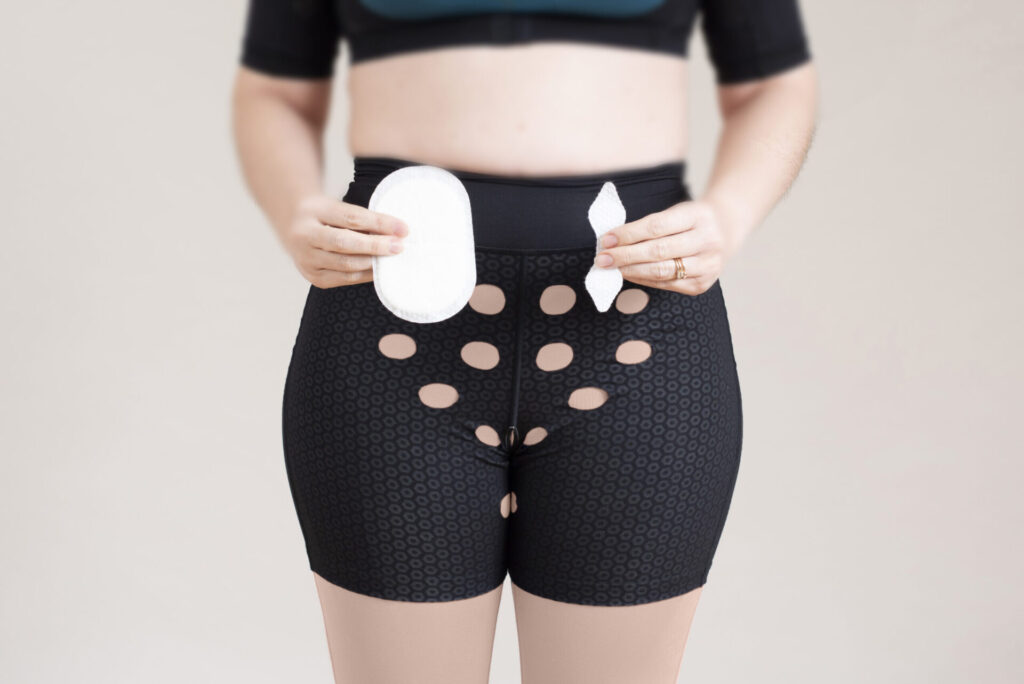
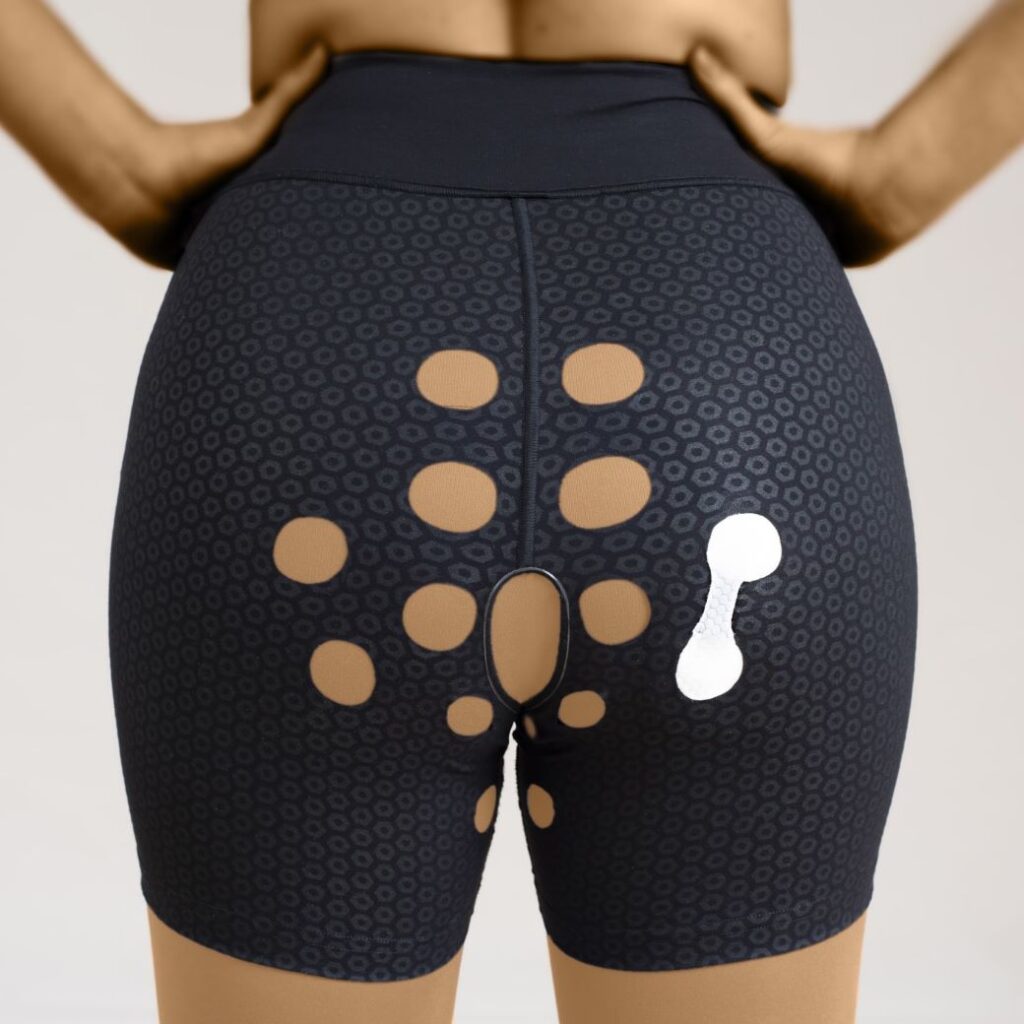
HidraWear: The Integrated System


Why it works: This isn’t just an undergarment; it’s a patented wound care system. The garments targeted treatment areas hold specialized, high-absorbency pads in place without any adhesive tape. The founder’s internal testing suggests these pads have a higher absorbency rate than standard industry leaders.
Best for: People who are tired of dressings slipping, adhesive tapes causing skin breakdown, or struggling to pack wounds in awkward, high-friction areas.
Hirdrawear is available throughout the UK and available for FREE on prescription.
For more information please visit Hidrawear. To get started you can call Bullen Healthcare on: 0800 138 8171 or visit their website by clicking here.
Navigating Standard Supplies
Beyond the specialized HidraWear system, you will be navigating the wider market of standard medical dressings. While there are many suppliers, the UK market is dominated by six major manufacturers: Smith & Nephew, Mölnlycke, Coloplast, 3M, Lohmann & Rauscher, and JFA Medical.
These companies all produce versions of the standard products listed below. Because we are all shaped differently and have different levels of skin sensitivity, there is no “one size fits all.” One brand’s silicone dressing might stay put while another peels off; one company’s size might fit an awkward curve in your groin, while another is just too bulky.
I know it’s tedious, but you have to take ownership of this—experiment with the brands and sizes until you find the exact combination that works for your body. You are the expert on your own skin, so treat this like you’re finding the right pair of shoes: try them on, see what stays put, and bin what doesn’t.
Remember what we said earlier about getting dressings on prescription through your GP? Jot down the names of the ones you think would be useful and check with your GP to see if they are available to you. Where possible, this should be your first step. We believe that having to pay for your own dressings is one of the issues that needs to change, nonetheless, while work is carried out to bring about that change, below is a list of the most common types of dressings which those with HS report work well for them.
Silicone Foam Dressings
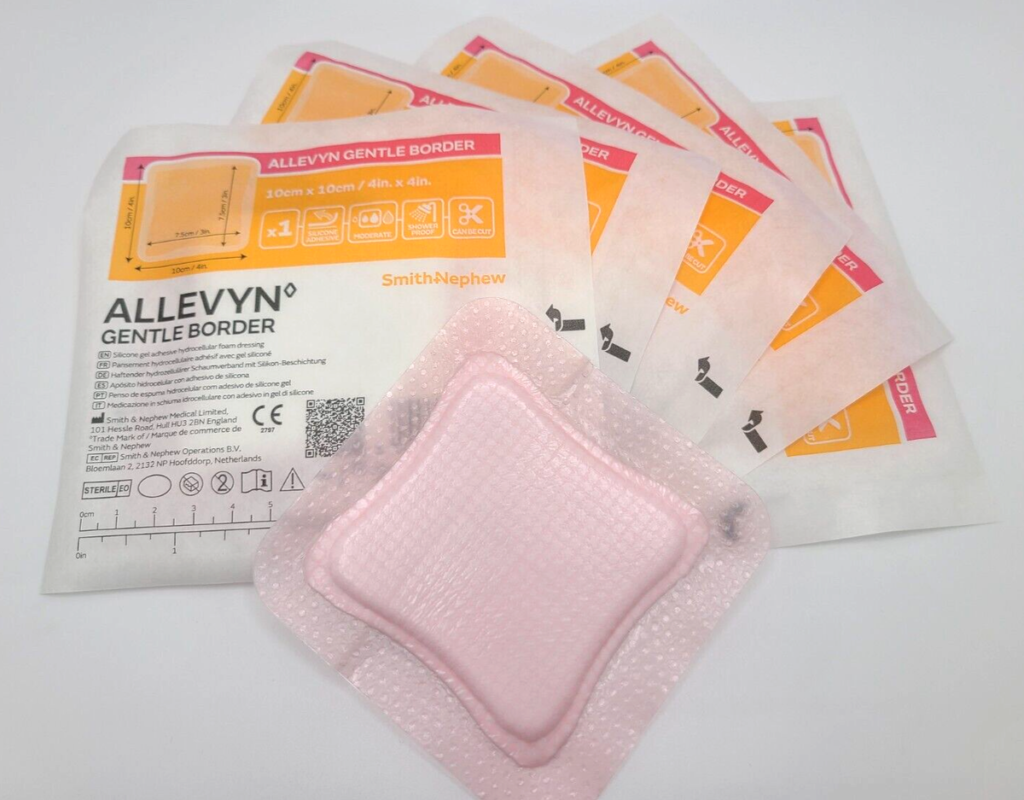
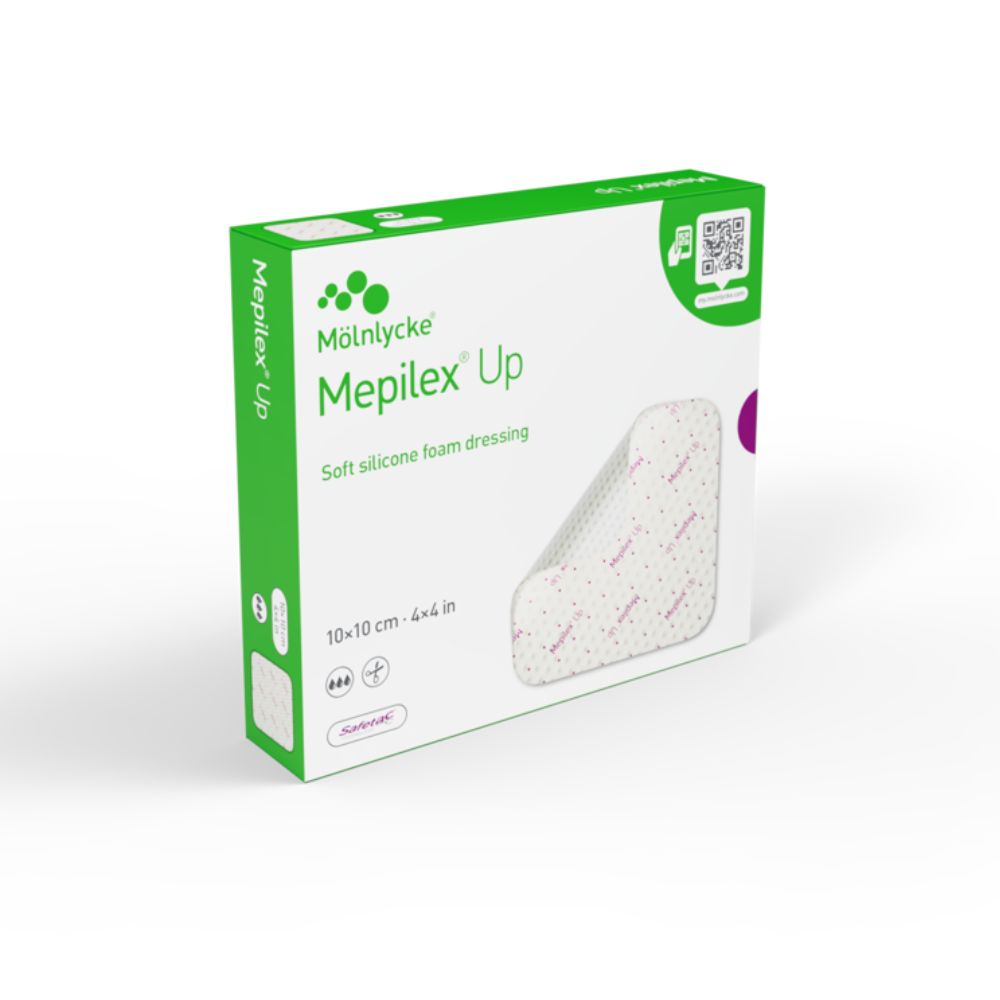
These are the gold standard for reducing pain during dressing changes. The silicone “interface” (the part touching your skin) is designed to stick to the surrounding area, but not the wound itself. This means you aren’t peeling raw skin every time you change it.


- Best for: Weeping, active lesions that need cushion and absorption.
- Major Brands: Mölnlycke (Mepilex), Smith & Nephew (Allevyn).
- Pro-Tip: Don’t be afraid to cut these to size if you have a flare-up in an awkward spot, like the groin. Just ensure you don’t cut through the main foam core.
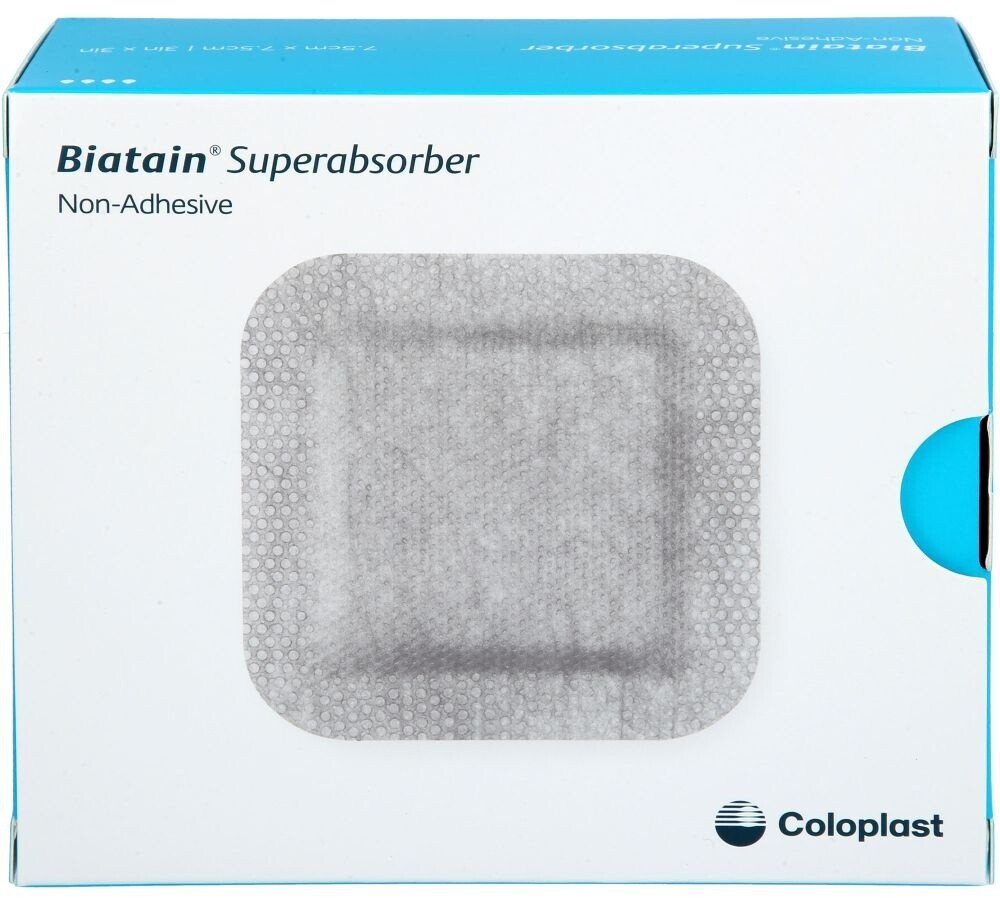
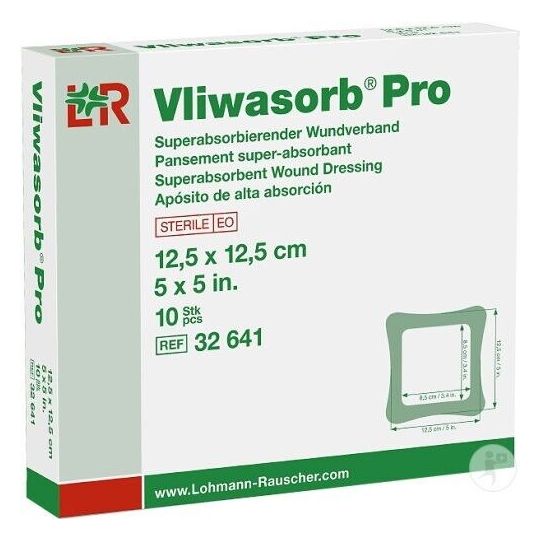
Superabsorbent Dressings
Standard dressings can soak through in minutes when an HS flare is aggressive. These are designed to pull the fluid away from the skin and lock it deep inside the pad. The often contain the words “super absorbent”, but have their own patented names which are different between brands.


- Best for: High-drainage flares where you need to prevent “strike-through” (puss leaking onto your clothes).
- Major Brands: Lohmann & Rauscher (Vliwasorb), Coloplast (Biatain).
- Pro-Tip: Because these are designed to be bulky, you’ll often need a secondary “retention” dressing or medical tape to keep them firmly in place.
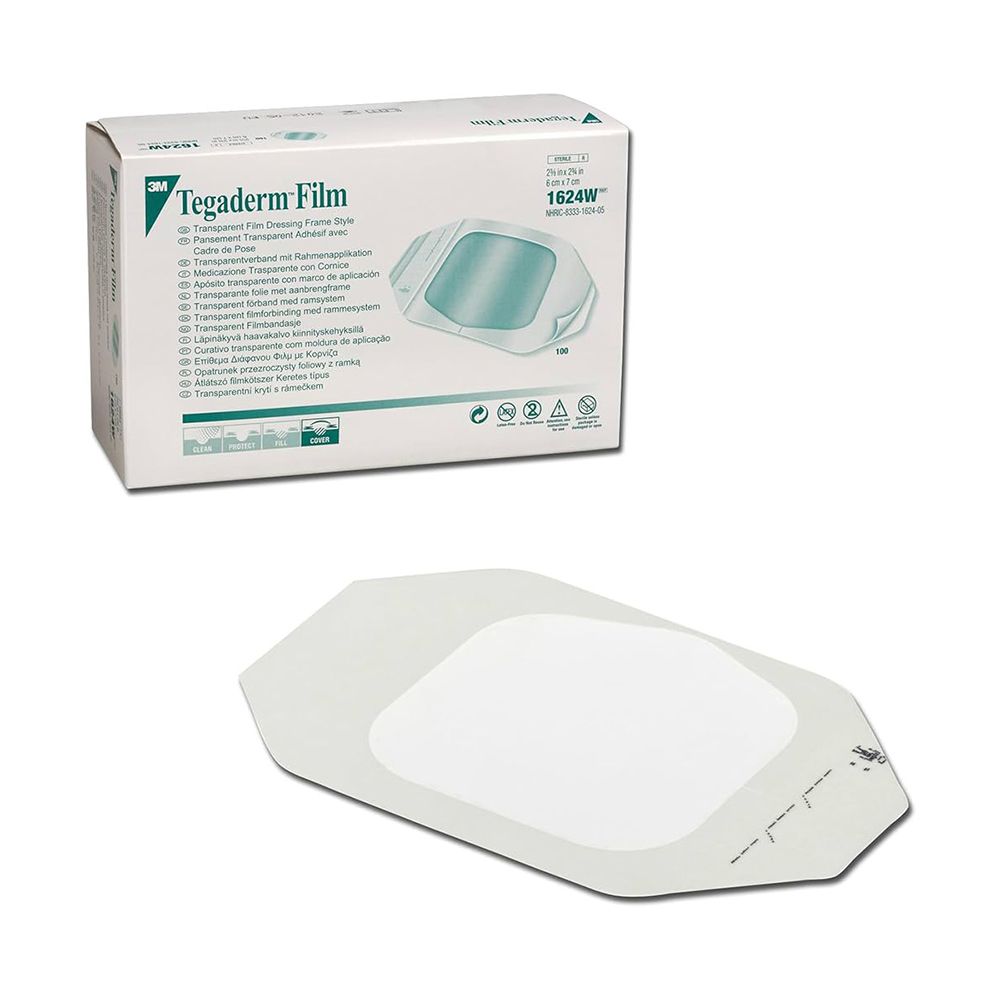
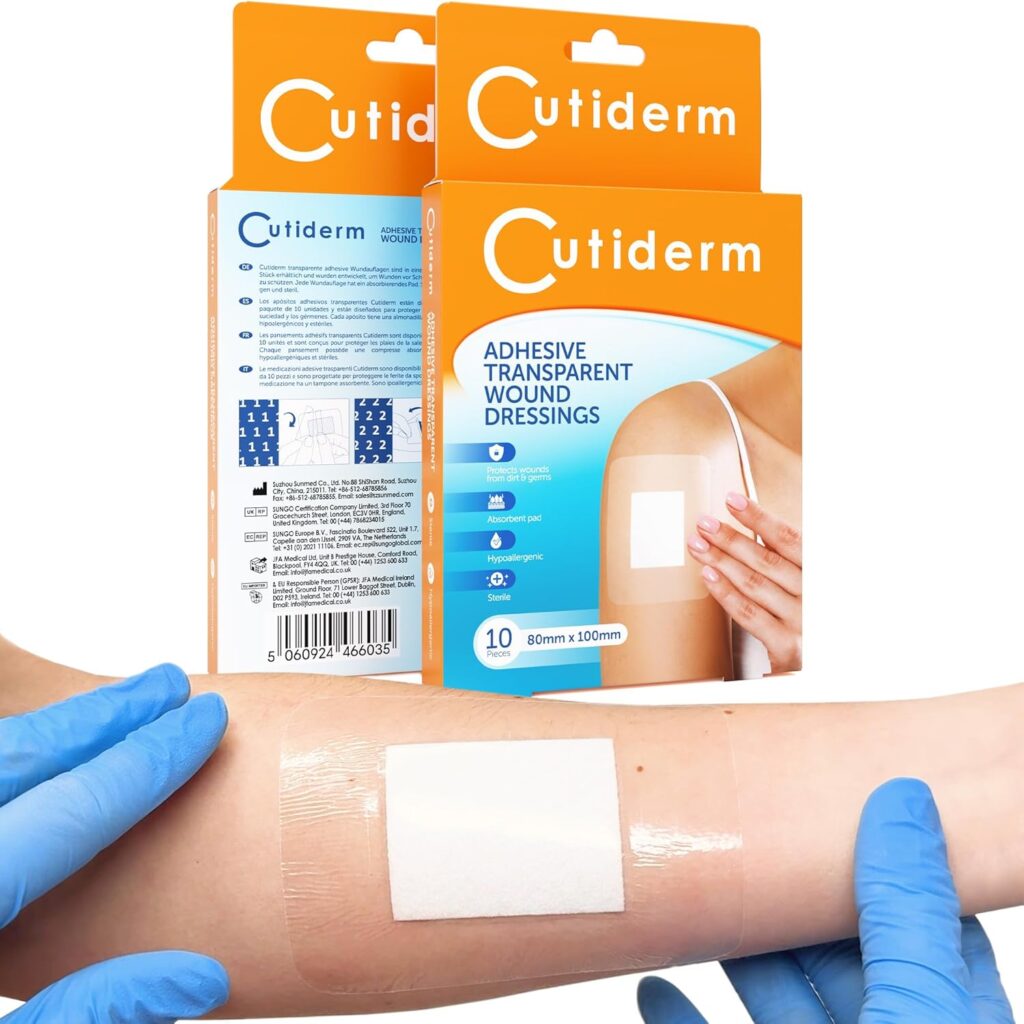
Transparent Film (The “Second Skin”)
These aren’t traditional plasters; they are thin, waterproof films. They create a “second skin” that is bacteria-proof and waterproof, which is a life-saver if you need to protect an area during work or travel.


- Best for: Sealing an area to protect it from friction or to keep it clean while you’re on the move.
- Major Brands: 3M (Tegaderm), JFA Medical (Cutiderm).
- The “Dry-Surface” Rule: These will not stick to moist skin. Pro-Tip: Use a cool hairdryer to make the area bone-dry before you apply them, otherwise, they’ll just peel off in minutes. They come without any padding, so some of the standard sterile gauze given by the NHS folds up and does the job perfectly.
Cleansers & Antiseptics
In HS, the goal is to manage the bacterial load without drying out your skin. Harsh, cheap soap makes the skin brittle, which can actually make the follicle wall more likely to rupture.


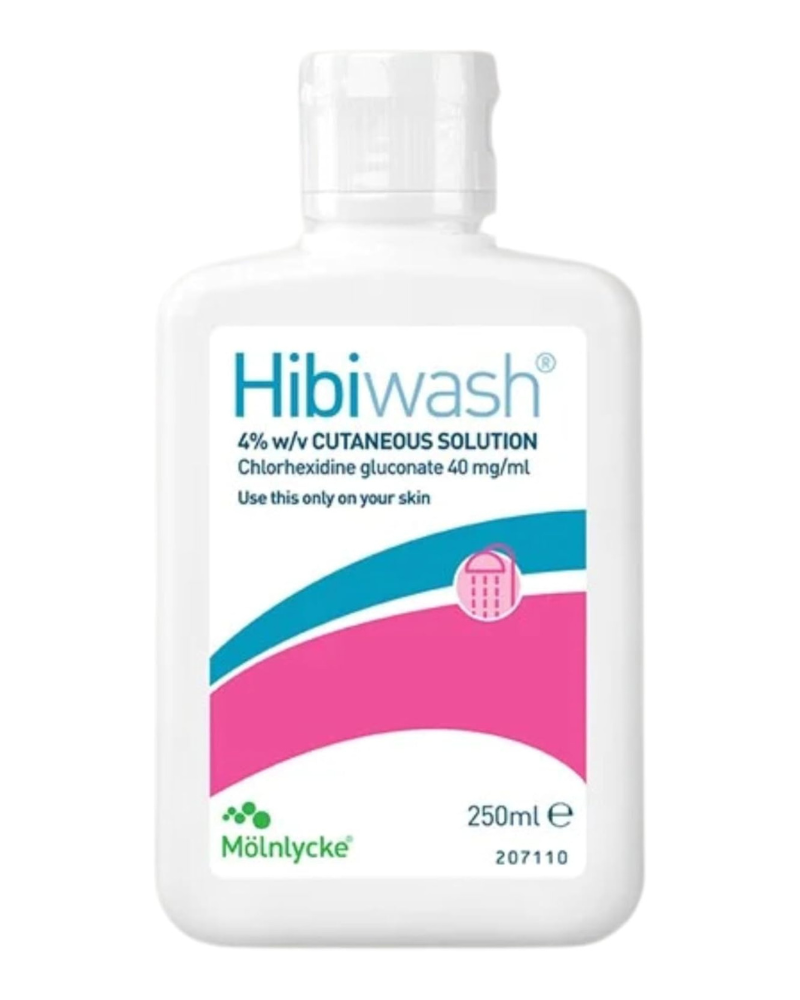
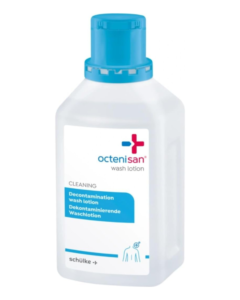
- Antiseptics: Hibiscrub is the NHS standard. Use it as a wash, but rinse thoroughly—it’s powerful stuff. Octenisan Wash Lotion: A soap-free, pH-neutral alternative that many find less drying than traditional antiseptics, making it a great middle-ground for sensitive areas.
- Gentle Maintenance: For daily washing, steer clear of heavily perfumed soaps. Stick to gentle, fragrance-free products like CeraVe.
- Pro-Tip: If your skin feels tight or “cracked” after cleaning, your skin barrier is too dry. Move to a gentler, pH-balanced cleanser to avoid irritation.

Internal: Managing the Inflammatory Load
Medical Cannabis & Pain Management
Since 2018, medical cannabis has been legal in the UK for specific medical conditions. For many living with chronic pain and inflammation, it has become a practical option to explore. Unlike the stuff you might find elsewhere, this is about accessing a regulated, legal medical prescription that allows for consistent dosing and quality control.

The Clinical Perspective:
Research suggests that cannabinoids interact with our body’s internal systems to help manage pain perception and regulate inflammatory responses. It’s not a “cure,” but it is a legitimate tool that many HS warriors are using to help manage the level of pain that traditional painkillers often can’t touch.
How to get the facts:
If you think this might be an option for you, the best path is to contact a specialist medical cannabis clinic. They will review your medical records, check your history of previous treatments, and decide if you qualify for a prescription. We aren’t here to push you in that direction, but we are here to make sure you know it is a legal, medical avenue you can choose to explore if you want to.
You can check out Curalfeaf, Alternaleaf, Mamedica and Releaf are to name a few companies offering this service. We have zero affiliation with any of them and other providers also exist.
Clinical evidence on cannabinoid anti-inflammatory pathways:Â Cannabinoids in Dermatology (2021)
Medicinal Fungi (The Natural Adaptogens)
We are learning more about the role of functional, medicinal fungi in supporting the body’s overall resilience. These aren’t about “getting high”; they are about using nature’s chemistry to support your body’s baseline.

- Lion’s Mane: This is the “brain-health” mushroom. It’s rich in compounds that support Nerve Growth Factor (NGF). For us, it’s about focus and clarity—when the pain is constant, our brain fog is often through the roof. Lion’s Mane helps pull you out of that mental haze.
- Reishi: Known as an “adaptogen.” These help the body “adapt” to stress. When you are under the constant pressure of a chronic condition, your cortisol (stress hormone) stays high. Reishi helps dial that stress response back down, which indirectly calms the inflammatory triggers.
- Cordyceps: This is about energy. Living with HS is physically exhausting. Cordyceps are used to support energy production at a cellular level, helping you get through the day without hitting that “crash” that often accompanies a flare.
Pro-Tip: Look for “dual-extracted” powders or capsules from reputable suppliers like Bulk. Dual extraction ensures you’re getting the actual medicinal compounds, not just the ground-up mushroom fibre.
Want to dig deeper? If you’re curious about the potential of fungi, look into the work of Paul Stamets. He is the leading voice in this field. You can check out his official site or watch his deep-dive interview to understand why he believes so strongly in the healing potential of mushrooms.
The “Food Detective” Approach
Forget restrictive, “one-size-fits-all” diets. The reality is that HS is highly individual; what triggers a flare for one warrior might be totally fine for another. The most effective approach isn’t a strict rulebook—it’s becoming a Food Detective.
- The Strategy: Keep a simple food diary. Track what you eat against how your skin feels. Many in the community have found relief by running a short-term trial of the Autoimmune Protocol (AIP) or by eliminating known inflammatory triggers like yeast, refined sugar, or dairy.
- The Goal: The goal is to identify your personal triggers, not to deprive yourself of everything. If you cut a food group and see no difference in your flares after 6 weeks, bring it back. Don’t restrict your diet just for the sake of it—only cut out what is actively causing you harm.
- Literature:Â Look for books specifically tailored to anti-inflammatory eating.Â
Want to understand the bigger picture?
If you want to see how this “inflammatory fire” affects the body broadly—beyond just HS—have a look at the work of Gary Brecka (The Ultimate Human). He breaks down the biological mechanisms of inflammation and how it drives almost every major chronic disease. He doesn’t speak specifically about HS, but his explanation of how our diet “fuels” inflammation is highly relevant to what we are trying to manage here. You can watch his take on inflammation and the body here.
Essential Supplements
The goal of supplementation is simple: it’s about providing your body with the raw materials it needs to repair skin and dampen inflammation.
- Zinc: Often cited in HS research as being helpful for those with a deficiency. It can help support the skin’s healing process.
- Vitamin D: Most of the UK population is deficient, and Vitamin D is critical for immune system regulation. Getting your levels checked via a blood test is a smart move.
- Turmeric/Curcumin: A potent, natural anti-inflammatory. Many warriors swear by this for taking the “edge” off the constant, low-level inflammation.
Important: Always check with a pharmacist or GP before adding these to your routine, especially if you are on other medications. Some supplements can interact with prescription drugs.
Mind & Movement: Managing the Systemic Load
Reclaiming Your Body & Mind
HS has a habit of “hardening” you. After years of fighting a system that ignores your pain, it’s easy to feel detached from your own body—like it’s an enemy you’re stuck with. This section isn’t about “wellness” in the traditional, polished sense; it’s about practical rituals to lift your spirits, clear the mental fog, and remind yourself that you are more than just your skin condition.
Gentle Movement (The Lymphatic Drain)
When you’re in a flare, your instinct is to stop moving. But complete stillness can lead to lymphatic congestion—the “waste disposal” system for your immune system—which only makes the sluggish, heavy feeling of a flare worse.
- The Goal: We aren’t looking for high-intensity training. We are looking for movement that keeps your internal systems circulating.
- The Best Options: Walking and swimming are king. They keep your blood and lymph moving without the high-friction, “high-traffic” grinding that running or heavy lifting causes.
- Pro-Tip: If a gym feels like too much, 10 minutes of gentle, full-body stretching in your living room is enough. It’s not about the workout; it’s about moving the fluid and preventing the body from “seizing up” under the weight of pain.
Rituals of Sanity (Rites & Meditation)
Days with HS can feel chaotic and out of your control. Building simple rituals can give you back a sense of order and peace.

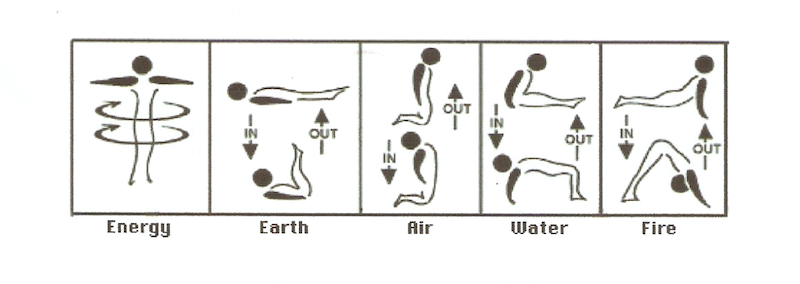
- The Five Tibetan Rites: This sequence of five movements has been a game-changer for many. It’s a short, consistent ritual that takes 10–15 minutes. It’s not just physical—it’s about the self-discipline of “showing up” for yourself every single day. It stimulates energy flow and creates a routine in days that might otherwise be defined by pain.
- Meditation & Breathing: Chronic pain keeps the nervous system in “fight or flight.” Box breathing (in 4, hold 4, out 4, hold 4) is the quickest way to manually override that stress signal and shift into “rest and digest.” It’s physiological chemistry, not just “woo-woo” mindfulness. If the mental weight of a flare becomes too much, this is a physical tool you can use anywhere to “reset” your internal state.
Read more about the Tibetan Rites here, as well as information about how to do them. Click here.
Heat Therapy (Your Sanctuary)
Heat therapy is a complex tool for the HS community. While it is not a direct treatment for HS, understanding how it affects systemic inflammation is worth exploring if you are looking to manage your overall health.

The Science: Why it helps the body
In the general population, there is strong, long-term evidence that regular heat exposure supports heart health and lowers systemic inflammation. A major 20-year study published in JAMA Internal Medicine found that frequent sauna use (4–7 times per week) was associated with a significantly reduced risk of fatal cardiovascular events. By mimicking the effects of moderate physical activity, heat dilates blood vessels, increasing blood flow, helping to flush out stagnant fluids, and lowering markers of systemic inflammation (like CRP). (Clinical reference: JAMA Internal Medicine 2015)
The Reality: Why it can trigger HS
Despite the systemic benefits, HS-specific evidence for sauna use is lacking, and for many warriors, it is a known trigger. Heat, profuse sweating, and prolonged moisture are often the exact environmental factors that kick off a flare-up.
CRUCIAL SAFETY WARNING:
Do not use saunas or banyas if you have open wounds. If you have recently had surgery, or if an abscess has just ruptured, stay out of the heat. Open wounds are highly susceptible to infection in warm, humid environments, and salt-laden sweat is an excruciating irritant to broken skin.
The Individual Experiment
If your skin is intact and you want to test if heat therapy works for your body, treat it as a careful experiment:
- Start Gently: Begin with short sessions.
- The Protocol: Stay highly hydrated, avoid alcohol, and cool down and dry off completely immediately afterward.
- Monitor: Pay close attention to your skin over the next 24-48 hours. If you notice an increase in soreness, drainage, or new nodules forming, the theoretical anti-inflammatory benefits are irrelevant—heat is a trigger for your specific biology, and you should avoid it.
The HS Library
Memoirs & Mindset (The “You Are Not Alone” Shelf)
A 21st Century Boydult: Wounds, Grit, Global Gallivanting… And HS: By Gareth Marshall. The cornerstone of this campaign. It’s the raw, unfiltered, no-nonsense account of a twenty-year war with HS. It’s proof that you can live a life of adventure and dark humour, even when your body is against you.

The Hidden Plague: By Tara Grant. One of the very first books to truly drag HS out of the dark. Tara’s book is a powerful look at the autoimmune nature of the disease and a pioneer for the dietary/AIP approach to managing it.

I Will Not Hide: By Ronald J. Bercume. Another fellow warrior breaking the silence. A brilliant, patient-led look at the realities of living with the condition.

Intim. Haut. Nah.: By Marcus Ehrhardt. Currently in German only (with translations planned), Marcus is a friend of the campaign and proof that raising awareness for HS is a global fight.

12 Rules for Life: An Antidote to Chaos: By Jordan B. Peterson. Not an HS book, but a mental survival guide. When chronic pain strips away your confidence, it’s easy to let the chaos win. This book is about taking responsibility, standing up straight, and fighting back to reclaim your mind. Highly recommended for the mental trenches.

The Kitchen (Diet & AIP Cookbooks)
The Hidradenitis Suppurativa Cookbook: A great starting point for removing common inflammatory triggers without eating cardboard for dinner

HS Cookbook for Beginners (Anti-Inflammatory): An excellent resource for those just starting out on the Autoimmune Protocol (AIP) or looking to cut out yeast and nightshades easily.

Medical
If you want to bypass the summaries and get straight into the heavy, clinical science, this is your section. But fair warning: the medical publishing industry knows how to charge.
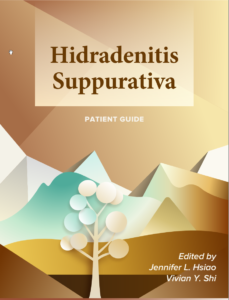
The HS Patient Guidebook (Free PDF): This is an absolute goldmine. Written by top HS experts (Dr. Vivian Shi, Dr. Haley Naik, and others), this is a brilliant, comprehensive, and—crucially—completely free downloadable guidebook. They took their clinical expertise and translated it into a guide specifically for patients. Download this, read it, and keep it on your phone.

A Comprehensive Guide to Hidradenitis Suppurativa: We are listing this so you know it exists, but look at that price tag. Written by the exact same doctors as the free PDF above, this is their official medical textbook aimed at dermatologists and surgeons. At £90 (on sale!), it’s priced for doctors’ clinics, not for us. Stick to their free patient guide above unless you really want a textbook for your coffee table!

Disclaimer: The Living Life With HS website and the views displayed on it are not those of a medical professional. The information and stories on this website are based on personal experience(s) and are for informational and community support purposes only. This content is not a substitute for professional medical advice, diagnosis, or treatment. Always seek the advice of your GP or other qualified health provider with any questions you may have regarding a medical condition.