
My Love-Hate Relationship with Antibiotics: A Survivor’s Guide
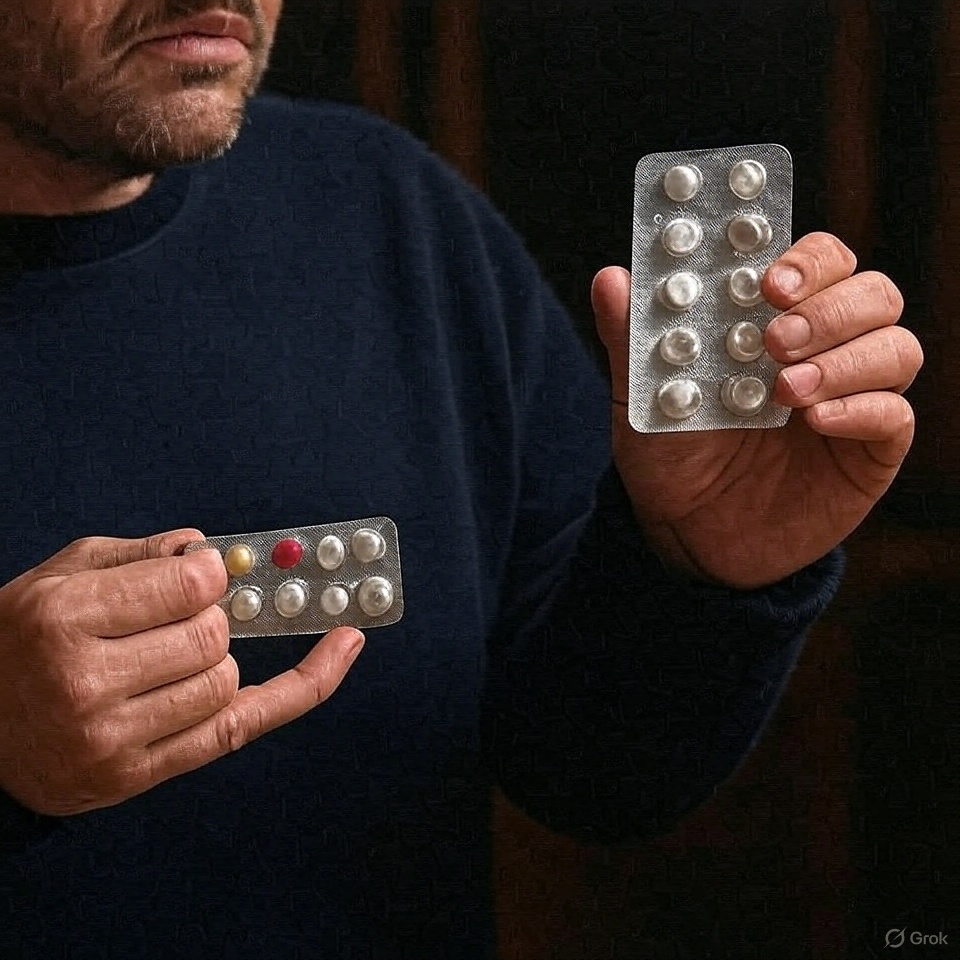
There is a ritual familiar to almost every single person with HS in the UK. You sit in a GP’s office, defeated by a fresh flare-up, and you hear the words you’ve heard a dozen times before: “Let’s try a course of antibiotics.” For years, I clung to those little pills like a life raft, hoping that this time, they would be the magic bullet. But what do you do when the treatment starts to feel like part of the disease? This is a survivor’s guide to the soul-crushing merry-go-round of using antibiotics for HS.
Disclaimer: Right, let’s get this straight from the off. I am not a doctor. This is not medical advice. This is my story, the brutal, unvarnished truth of my twenty-year war with HS and the cocktail of drugs I’ve been prescribed. You must always, always speak to a qualified medical professional about your treatment. This is just a dispatch from the trenches, from a bloke who’s been there.
The “Pro”: A Temporary Fire Extinguisher
Let’s be fair. There are times when antibiotics have felt like a godsend. When you’re in the grip of a raging, infected abscess, your body is screaming, and you’ve got a fever that could cook an egg, a course of something like Flucloxacillin can feel like the cavalry arriving. They don’t treat the HS, but they can get a grip on the nasty secondary bacterial infection that has decided to join the party. They put out the immediate fire. This provides a brief window of relief—a ceasefire in the war—that can give you the breathing room to function, to sleep, to just exist for a moment without being consumed by pain. In those moments, I have been bloody grateful for them.
The “Con”: The Soul-Crushing Merry-Go-Round
But the relief is a trap. It’s a short-term fix for a long-term problem. The issue is that antibiotics do absolutely nothing to treat the underlying cause of HS—the faulty immune response. They are a patch-up job, not a cure. So what happens? The infection subsides, you finish the course, and a few weeks later, BAM. It’s back. And you’re back at the GP’s office.
This is the start of the merry-go-round. The names change, but the story stays the same. First, it was Flucloxacillin. Then Doxycycline. Then came the heavy artillery, the infamous duo of Rifampicin and Clindamycin—a six-month sentence that turned my guts inside out and made my piss glow a radioactive yellow. Each course chipped away at my body’s natural defences, and all the while, the HS laughed in my face, continuing its relentless march towards Stage 3. It’s a strategy of containment that doesn’t contain anything.
The Breaking Point: My Decision to Step Off
For me, the final straw was a catastrophic reaction to an antibiotic called Ciprofloxacin. It was a disaster that left me crippled for months. It was a brutal, agonising lesson, but it forced me to make a conscious decision: no more. Unless it was a clear, life-or-death situation, I was stepping off the merry-go-round.
It wasn’t about rejecting medicine; it was about reclaiming control. It was about listening to my own body and recognising that years of dousing it with chemicals wasn’t making me better, it was just managing my decline. This decision forced me to explore other avenues—like diet, which for me has been a game-changer—and to advocate for myself more aggressively to get access to advanced treatments. It was a terrifying step to take, but it was necessary.
The use of antibiotics for HS is a complex and deeply personal issue. What’s your experience been like? Are you stuck on the merry-go-round? Share your story in the comments.
(For the official NHS guidance on HS treatments, you can read more at the British Association of Dermatologists.)
Pingback: How to Get a Good GP Appointment for HS: An Actionable Guide