
Practical Information.
What is Hidradenitis Suppurativa (HS)?
Disclaimer
The following information is in line with the current best practices and views of HS held by the NHS (National Health Service) and BAD (British Association of Dermatologists). Some of these views may be considered incorrect or outdated by some HS patients, nonetheless, the following information is being displayed in good faith. The information contained on this page does not reflect my own personal views or opinions. Always do your own research and consult with medical professionals.
What HS is:
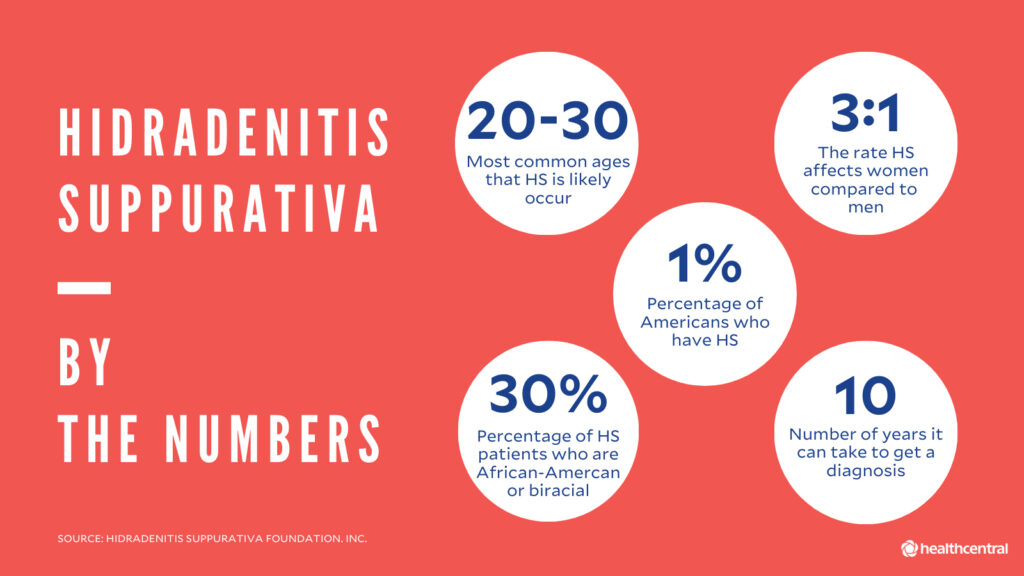
Hidradenitis Suppurativa (HS) is a chronic, recurrent inflammatory skin condition which is believed to affect up to 1% of the population. It is not just a simple skin issue; it is a systemic disease, meaning it affects the body’s internal systems, specifically the immune system. Its primary characteristic is the formation of painful, deep-seated lumps, abscesses, and nodules in areas of the body where skin rubs together, such as the armpits, groin, buttocks, inner thighs, and under the breasts, although outbreaks can happen anywhere on the body. Over time, these can develop into persistent, draining tunnels under the skin known as sinus tracts. While the condition was first formally identified in the 19th century, awareness remains incredibly low, leaving many to navigate its challenges in isolation.
- Practical Information. What is Hidradenitis Suppurativa (HS)?
- What HS is:
- What HS is Not: Debunking the Myths
- HS is NOT contagious. It cannot be passed from person to person through any form of contact.
- HS is NOT a sexually transmitted infection (STI). It has no connection to sexual activity
- HS is NOT caused by poor personal hygiene. This is a particularly cruel myth. HS is an internal inflammatory condition, and no amount of washing can prevent or cure it.
- HS is NOT simply 'bad acne' or 'boils'. While it can share visual similarities, HS is a distinct and more complex disease involving the immune system and deeper layers of skin tissue.
- Boils vs. Abscesses: Understanding HS Lesions
- What Causes HS? Understanding the Facts
- How is HS Treated in the UK? A Guide to Your Options
- The Hurley Staging System: Understanding Severity
- Common Treatments offered:
- What Effect Does HS Have on People?
- What can you do to take control?
What HS is Not: Debunking the Myths
The social and psychological burden of HS is often made worse by a number of persistent and damaging misconceptions. To begin the journey of understanding and self-advocacy, it is essential to be clear about what HS is not.
HS is NOT contagious. It cannot be passed from person to person through any form of contact.
HS is NOT a sexually transmitted infection (STI). It has no connection to sexual activity
HS is NOT caused by poor personal hygiene. This is a particularly cruel myth. HS is an internal inflammatory condition, and no amount of washing can prevent or cure it.
HS is NOT simply ‘bad acne’ or ‘boils’. While it can share visual similarities, HS is a distinct and more complex disease involving the immune system and deeper layers of skin tissue.
Boils vs. Abscesses: Understanding HS Lesions
Boils (Furuncles): Boils are typically acute, superficial infections of a single hair follicle, often caused by bacteria. They are localized, painful, pus-filled lumps that usually resolve with basic treatment.
HS Lesions: HS causes much deeper, chronic inflammatory abscesses and nodules, often connected by sinus tracts (tunnels) beneath the skin. These are far more complex, persistent, and prone to recurring and spreading than typical boils. While they may appear similar externally, medical professionals emphasize that HS lesions are a distinct autoimmune response, not a simple bacterial infection.
Using terms like “abscesses,” “nodules,” or “boil-like abscesses” is preferred in professional and medical contexts. This distinction helps convey the chronic and complex nature of HS, improving understanding for accurate diagnosis and treatment.
What Causes HS? Understanding the Facts
The exact cause is not known. Research points to a complex interplay of factors, largely internal, that influence how your body’s immune system behaves. Think of it as your immune system, in error, attacking healthy hair follicles. Key contributing factors involve:
Genetics:
There’s a strong link to family history, suggesting a genetic predisposition plays a role. Certain genes involved in hair follicle development, such as NCSTN, PSEN1, and PSENEN, which play roles in hair follicle development and immune signalling pathways, often appear in familial cases.
Hormonal Influence:
HS often emerges after puberty and can fluctuate with hormonal changes like menstrual cycles, pointing to the significant impact of hormones.
Follicular Occlusion:
The initial trigger is thought to be a blockage within hair follicles, which then leads to inflammation and rupture—the hallmark of the disease.
How is HS Treated in the UK? A Guide to Your Options
Navigating HS treatment in the UK can feel complex, but understanding the available pathways can empower you. The NHS generally follows a structured approach, starting with primary care and escalating to specialist treatment based on the severity and impact of the condition.
Your first point of contact for HS is typically your General Practitioner (GP).
Initial Consultation:
Be prepared to describe your symptoms clearly, mentioning specific areas affected and the impact on your life. GPs will often discuss possible initial treatments as well as lifestyle adjustments that can help manage inflammation and friction in affected areas. This commonly includes advice on:
Weight Management:
Losing weight if overweight can significantly reduce skin friction.
Smoking Cessation:
While not a direct cause, smoking is strongly linked to worsening HS symptoms and increased inflammation.
Loose Clothing:
Wearing breathable, natural-fibre clothing can minimize irritation in flare-prone areas.
Topical Treatments:
For localized, milder cases, GPs may prescribe antiseptic washes or topical antibiotic lotions like Clindamycin.
Antibiotics:
Taken in the form of a pill, antibiotics will likely be one of the first medicines you are prescribed to try and settle down the infection caused by the abscess.
Specialist Assessment:
If initial treatments do not effectively control your symptoms, or if your HS is more extensive, your GP should refer you to a dermatologist. Dermatologists specialize in skin conditions and can offer more advanced medical management and discuss surgical options. Dermatologists can accurately stage your HS (using the Hurley Scale) and tailor a treatment plan.
The Hurley Staging System: Understanding Severity
Stage I:
Description: This is generally considered the earliest stage, characterised by isolated abscesses. You might experience single or multiple painful lumps that may not yet have formed deeper tunnels under the skin or significant scarring.
Stage II:
Description: In this stage, HS becomes more recurrent. You’ll likely notice multiple abscesses, the development of sinus tracts (tunnels beneath the skin), and the beginnings of scarring.
Stage III:
Description: This is the most severe stage. It’s defined by extensive involvement across larger areas, with numerous interconnected sinus tracts and significant, widespread scarring.
Common Treatments offered:
Antibiotics:
For more widespread or persistent HS, a course of oral antibiotics is often prescribed, common options include: flucloxacillin, clindamycin, amoxicillin (co-amoxiclav), lymecycline, doxycycline, erythromycin, or clarithromycin for extended periods. In more severe cases, a combination therapy may be considered.
Biologics:
For moderate to severe HS, biologic medications are a significant advancement. Adalimumab (brand names like Humira and its biosimilars) is approved for use within NHS care in the UK. Secukinumab (Cosentyx) may also be considered for specific patients. These are powerful, targeted treatments that work by modulating the immune system.
Other Medical Treatments:
Depending on your individual presentation, other options like steroid injections into affected areas or certain types of retinoids might be discussed.
Surgery is often considered when medical management isn’t enough to control HS, particularly for stubborn abscesses or widespread sinus tracts.
Incision and Drainage (I&D):
This is a common procedure in A&E to relieve painful abscesses, offering immediate relief but is a temporary solution as it doesn’t address the underlying diseased tissue. This may be carried out under general or local anaesthetic depending on the area affected and will be decided after consultation with a surgeon.
Deroofing:
This surgical technique removes the “roof” of the sinus tracts, allowing the wound to heal from the base. It’s effective in reducing recurrence in the treated area and is often performed under local anaesthetic for localized lesions.
Excision Surgery:
For more advanced HS, this involves surgically removing all affected skin, including underlying sinus tracts. It can be “limited” (targeting specific areas) or “wide” (removing a larger area, sometimes including healthy tissue) and is often necessary for Hurley Stage II and III disease. This type of surgery will usually be carried out using a general anaesthetic, but not always.
Laser Therapy:
Technologies like CO₂ lasers can vaporize affected skin and sinus tracts, offering the potential for remission in treated areas, although NHS availability may vary.
While lifestyle factors are not direct causes of HS, they can significantly influence the condition’s severity and progression for those predisposed. Focusing on your overall health through weight management, smoking cessation, and appropriate skincare can play a supportive role in your management strategy.
What Effect Does HS Have on People?
Hidradenitis Suppurativa (HS) casts a long shadow, significantly impacting not just physical health, but profoundly affecting mental, emotional, social, and occupational well-being. The reality of living with HS is a multidimensional challenge that goes far beyond visible skin manifestations.
HS causes persistent, painful lumps, abscesses, and, in more advanced stages, interconnected tunnels (sinus tracts) that can form in sensitive skin areas like the armpits, groin, breasts and buttocks. These lesions are not only physically uncomfortable and often debilitating, but they can also be itchy and may drain pus, leading to ongoing discomfort and a significant feeling of embarrassment. The chronic nature of the inflammation can also lead to profound fatigue.
The visible and persistent nature of HS, coupled with the pain and unpredictability of flare-ups, takes a considerable toll on mental health. Many individuals report experiencing:
Anxiety and Depression:
Living with a chronic and often misunderstood condition can lead to feelings of helplessness and low mood.
Low Self-Esteem and Body Image Issues:
The scarring and visible lesions can deeply impact self-perception and body confidence.
Social Isolation:
The pain, fatigue, and embarrassment associated with HS can lead to social withdrawal and difficulty in maintaining relationships.
Increased Mental Health Risks
Tragically, the stigma surrounding HS and the lack of widespread understanding can mean that some patients experience suicidal thoughts at rates higher than the general population.
HS can interfere with many aspects of life that others take for granted:
Intimacy and Sexual Health:
Lesions in intimate areas can profoundly affect sexual well-being, often leading to avoidance of sexual activity.
Daily Activities and Work:
Pain, fatigue, and the need for consistent wound care can significantly impair a person’s ability to perform daily tasks and maintain work productivity. Studies indicate that people with HS often experience higher rates of unemployment and a substantial loss of income and work capacity.
Collectively, these physical, emotional, and social impacts translate into significantly lower quality of life scores for those living with HS. While research on HS is growing, the depth of its burden often goes unrecognized, highlighting the critical need for greater awareness, better access to treatment, and a more supportive environment.
What can you do to take control?
Please navigate to the Benefits (DWP) section of this website from the menu for some practical financial advice.
Disclaimer: The Living Life With HS website and the views displayed on it are not those of a medical professional. The information and stories on this website are based on personal experience(s) and are for informational and community support purposes only. This content is not a substitute for professional medical advice, diagnosis, or treatment. Always seek the advice of your GP or other qualified health provider with any questions you may have regarding a medical condition.